
-
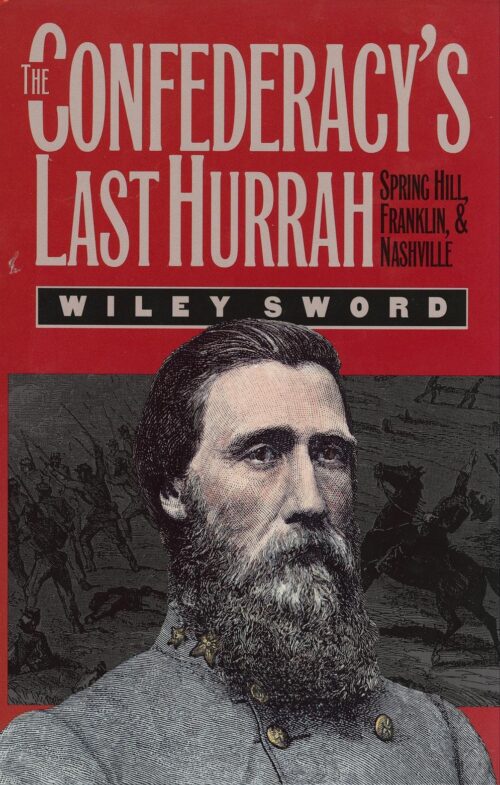 A compelling, dramatic account of the final and fatal invasion by the Army of Tennessee in 1864.
 -
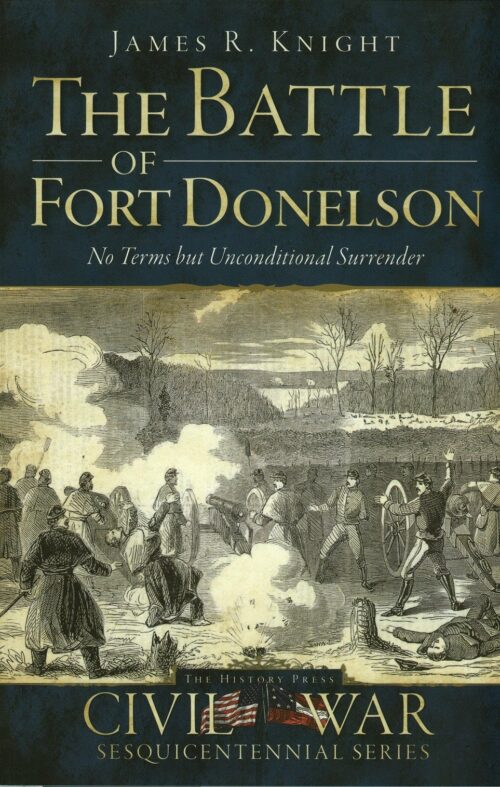 The Battle of Fort Donelson was the first major victory for Federal forces and the first decisive battle in the vital area from the Appalachians to the Mississippi. It gave the Federals control of both the Tennessee and Cumberland rivers; led directly to the fall of the first Confederate capital at Nashville and the Battle of Shiloh, and was the beginning of the fame and/or infamy of several Civil War generals, including U.S. Grant, N. B. Forrest, Gideon Pillow and John B. Floyd. It also resulted in the first surrender of an army by a Confederate general, and the largest capture of enemy troops in American history, up to that time.
 -
 The Chancellorsville Campaign was the true high water mark for both the Confederate Army of Northern Virginia and the Union Army of the Potomac. The campaign would be the Confederates' greatest battle, though it came at the cost of losing General Stonewall Jackson. Although the Confederacy prevailed at Chancellorsville, Hooker used the defeat to institute a multitude of reforms, which paved the way for the hard-fought victory at Gettysburg.
 -
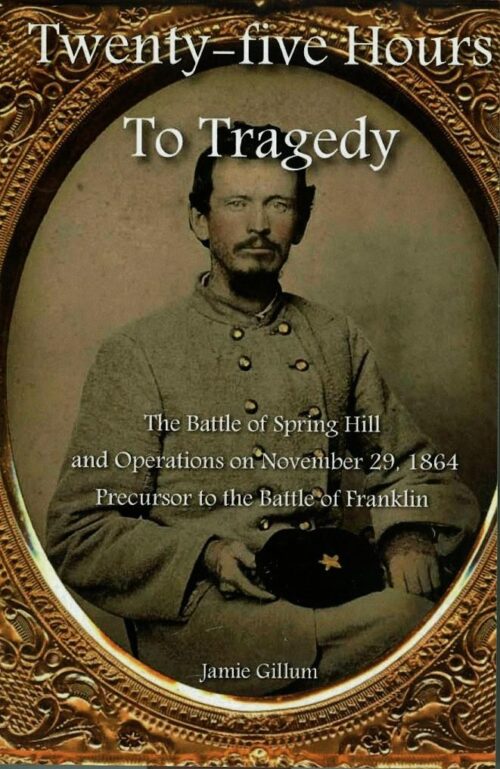 Only twenty-five hours after the Confederate Army’s arrival on the battlefield of Spring Hill, TN the decision to assault the heavily defended fortifications at Franklin was made. It was a decision that would not have to be made had the Confederates followed through with their plans at Spring Hill. Follow the armies in their race to Spring Hill, the combat there and the critical decisions that led to the Federal escape and a total Confederate command breakdown in the most devastating blunder of the American "Civil War."
 -
 The commander of the three-hundred-wagon Union supply train never expected a large ragtag group of Texans and Native Americans to attack during the dark of night. But Brigadier Generals Richard Gano and Stand Watie defeated the unsuspecting Federals in the early morning hours of September 19, 1864, at Cabin Creek in the Cherokee nation. The legendary Watie, the only Native American general on either side, planned details of the raid for months. His preparation paid off--the Confederate troops captured wagons with supplies that would be worth more than $75 million today.
 -
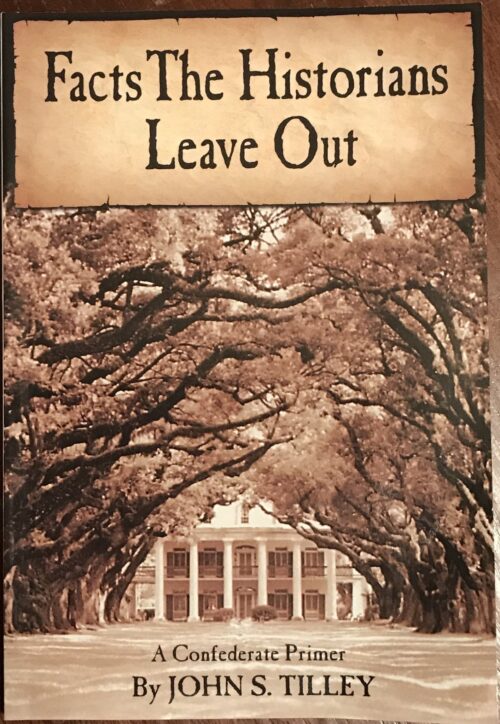 This compact little volume contains all of the historical truths about the WBTS that today’s history books “leave out.” Easy to read and thought provoking.
 -
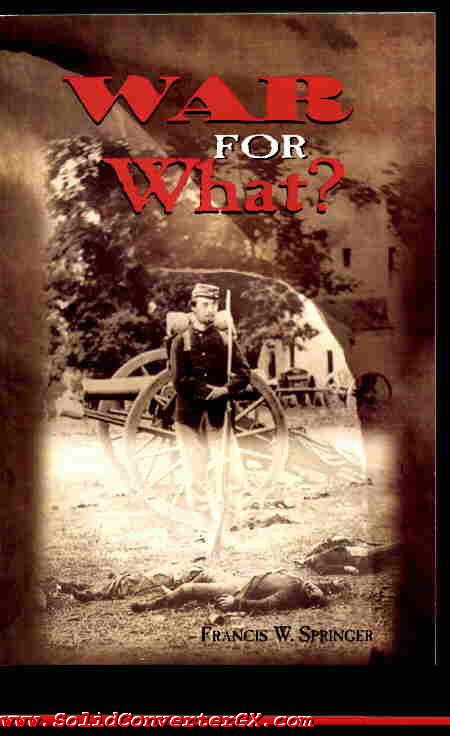 Francis W. Springer spent years researching this book with his wife. What was the real cause of the War? This discussion brings out some of the significant events. Many will be familiar enough, but others, seldom if ever publicized, may not.
 -
 An important prison narrative, by a Northern soldier who was imprisoned at Andersonville. He contended that Major Wirz was unjustly lynched and states for the record that the Federal government was largely to blame for the conditions at Andersonville.
 -
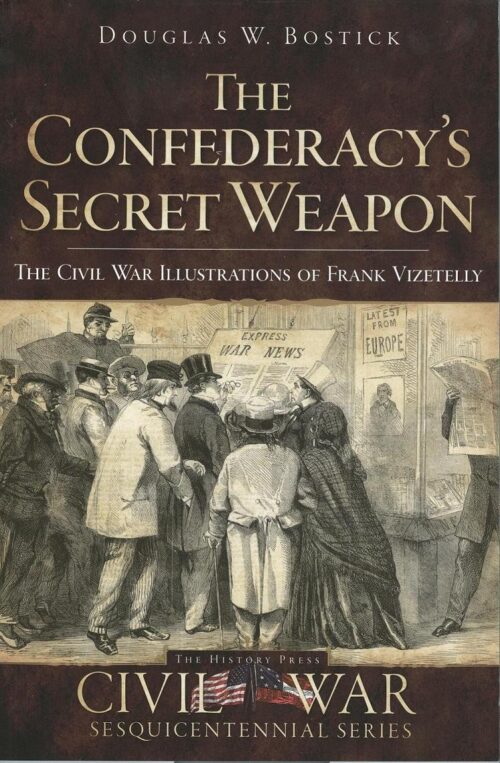 Sent to the United States as a war correspondent for the Illustrated London News, Frank Vizetelly quickly found himself in hot water with the Federal secretary of war when his depictions of Bull Run hit the papers. He was forbidden access to the Union army, so he took up with the Confederates instead, covering the Civil War from Charleston to the Mississippi and north to Virginia.His articles and sketches shaped the views of the English regarding the war.
 -
 The Union Is Dissolved chronicles the face-off between professor and student- Robert Anderson and Pierre G.T. Beauregard- and the firing on Fort Sumter, signaling the beginning of the War Between the States. This fascinating volume offers a concise introduction to our nation's greatest struggle.
 -
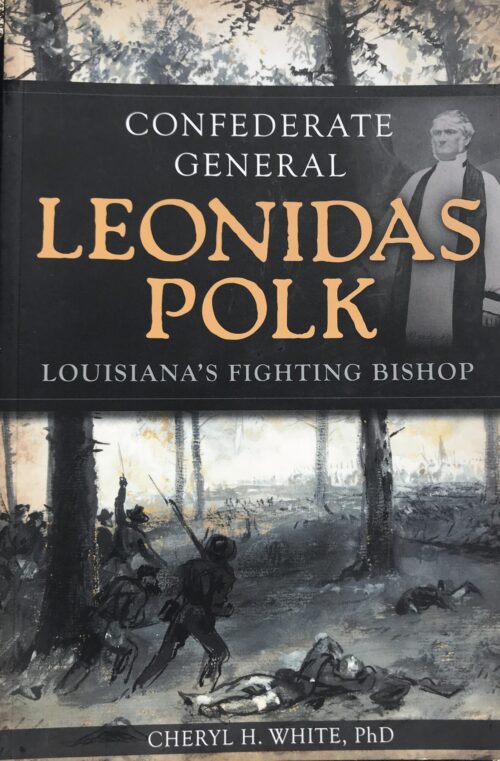 Leonidas Polk is one of the most fascinating figures of the Civil War. Consecrated as a bishop of the Episcopal Church and commissioned as a general into the Confederate army, Polk’s life in both spheres blended into a unique historical composite. Polk was a man with deep religious convictions but equally committed to the Confederate cause. He baptized soldiers on the eve of bloody battles, administered last rites and even presided over officers’ weddings, all while leading his soldiers into battle.
 -
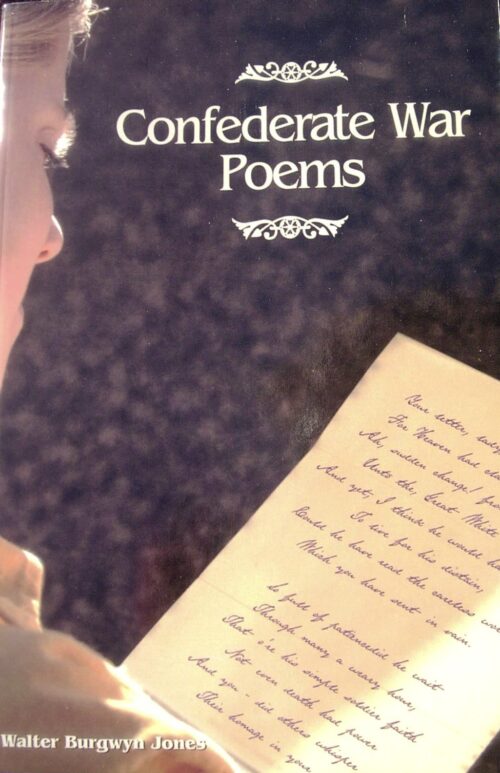 A collection of Confederate War Poems which, in the years long-gone, "spoke to the heart of the South," and which will endure forever in our minds.