-
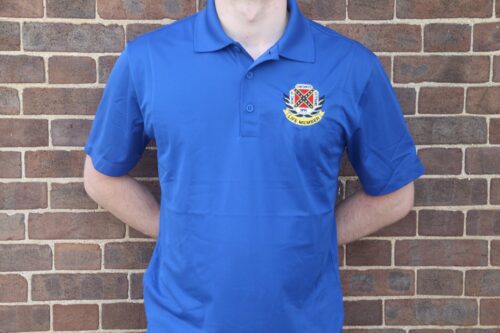
Sale!SMALL ONLY! 100% Polyester Polo Shirt by Sport-Tek embroidered in full color on the left breast, SCV.ORG on back under the collar and #SCV on left sleeve. Lifetime membership verified prior to shipping.
-
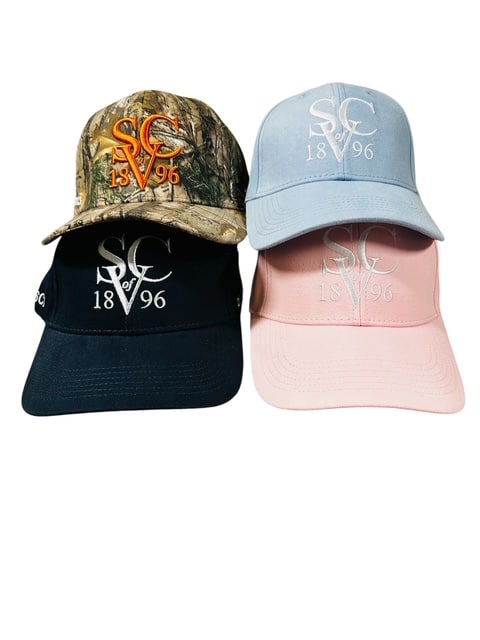
These high quality 100% cotton, 6 paneled baseball cap features an embroidered logo on the front, SCV.ORG on rear, #SCV on right side, Deo Vindice on the left side. One size fits most - Velcro adjustable closure on back. This hat is available for purchase by anyone who supports The Cause. Available in black, gray, navy, maroon, camo, sky blue and light pink.
-
These high quality metal license plates are standard sized and will look good on any vehicle. Note: Occasionally these designs may vary somewhat.
-
Christmas memories abound, but of them all the old carols truly capture the special spirit of the day. In this graceful collection of much loved songs of the season, Jim Gibson shares his special, easy touch. Perhaps this recording will help you find the quiet place where the real spirit of Christmas lives. Includes: Hark! The Herald Angels Sing, Silent Night, O Christmas Tree, The First Noel, O Come All Ye Faithful and 9 other pleasant melodies.
-
The commander of the three-hundred-wagon Union supply train never expected a large ragtag group of Texans and Native Americans to attack during the dark of night. But Brigadier Generals Richard Gano and Stand Watie defeated the unsuspecting Federals in the early morning hours of September 19, 1864, at Cabin Creek in the Cherokee nation. The legendary Watie, the only Native American general on either side, planned details of the raid for months. His preparation paid off--the Confederate troops captured wagons with supplies that would be worth more than $75 million today.
-
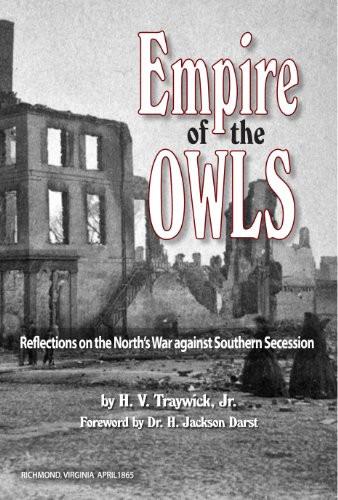
This compact little volume contains all of the historical truths about the WBTS that today’s history books “leave out.” Easy to read and thought provoking.
-
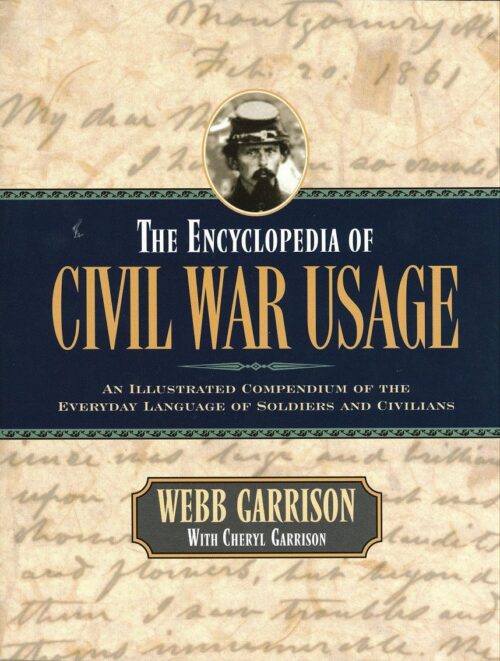
Gumps! Wharf Lice! Ditch Hunters! Though it’s reasonably clear that those terms are insults, few people today have any idea what they mean. Like much of the language used in the 1860’s, these expressions have vanished from everyday speech. This comprehensive volume will delight the historian, the writer, and the reenactor. Now in paperback.
-
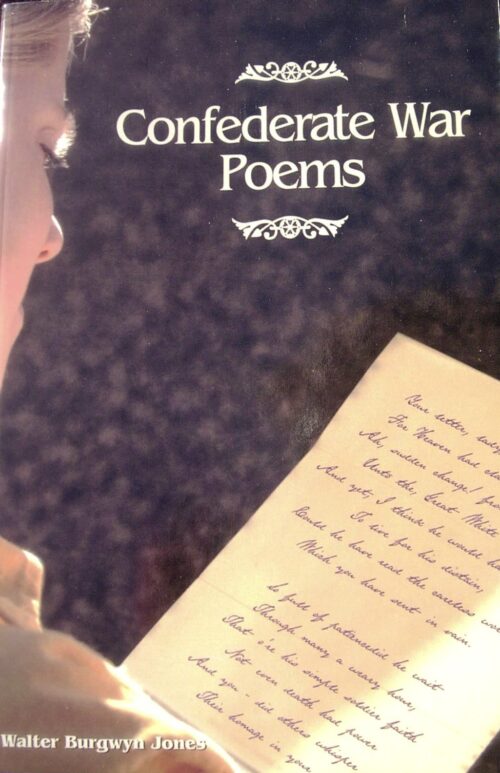
A collection of Confederate War Poems which, in the years long-gone, "spoke to the heart of the South," and which will endure forever in our minds.
-
In the middle of the 19th century steam power replaced muscle power as the prime mover of civilization, and the Industrial Revolution roared across the world. A new World-Cycle, the Machine Age, was born. But in the Southern United States men took up arms against the imperatives of the machine, and their Lost Cause marked the end of the Age of Agriculture. By the editing of contemporary diaries, letters, essays, newspaper editorials, memoirs, histories and official records, and the collation of them into a narrative form, this work attempts to paint a contemporaneous portrait of the storm-tossed Confederacy and the revolution that swept it away.
-
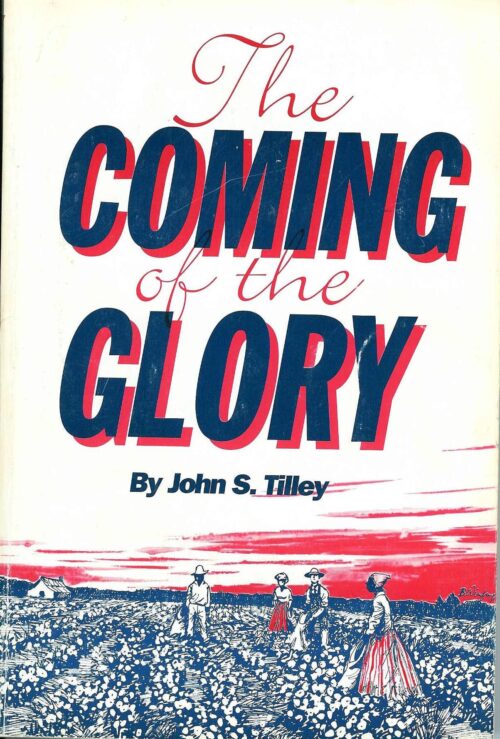
Here are the "FACTS" on Slavery, Secession and Reconstruction by John S. Tilley, M.A. (Harvard). Nothing is more dangerous than the 'Half-Truth'.
-
This work offers a contemporaneous portrait of Old Virginia, her unwavering stance on State sovereignty, and her fight to the death to defend the fundamental principle upon which the Republic was founded.
-
BACK BY POPULAR DEMAND! An essay by Donald W. Livingston that was originally published in the September/October 2010 Confederate Veteran magazine. These are great for pairing with a flag at public events to educate the public on the war when they get a flag. Buy a flag and get educated, too!