-
BACK BY POPULAR DEMAND! An essay by Donald W. Livingston that was originally published in the September/October 2010 Confederate Veteran magazine. These are great for pairing with a flag at public events to educate the public on the war when they get a flag. Buy a flag and get educated, too!
-
A collection of Confederate War Poems which, in the years long-gone, "spoke to the heart of the South," and which will endure forever in our minds.
-
This compact little volume contains all of the historical truths about the WBTS that today’s history books “leave out.” Easy to read and thought provoking.
-
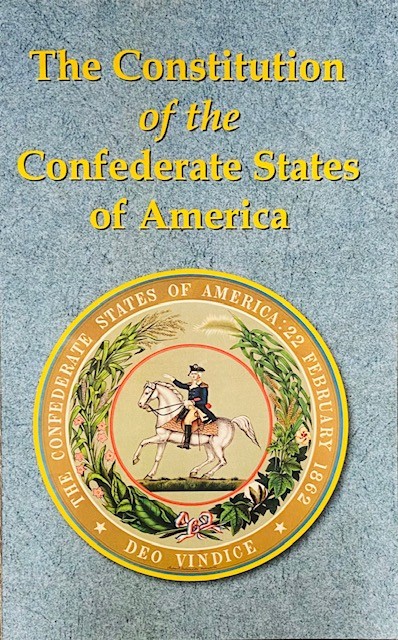
The Constitution of the Confederate States of America was very similar to the United States of America Constitution. And why shouldn't it be? After all, a Southerner, James Madison, was the chief architect of the US Constitution and it was adopted by their forefathers. This was the main reason the states of the South declared their independence and seceded to form their own government. The northern states and the Federal government had strayed from the constitution adopted by their forefathers. Most of the Bill of Rights in the US Constitution was incorporated into the Confederate Constitution. There are other small adjustments and tweaks throughout the document to correct things Southerners felt were in error with the original document and to balance power between the states and the federal government.
-
This book is available for download ONLY. You will not receive a physical book.
-
The ladies who wrote about their experiences wanted future generations to know about their trials and tribulations in the spring of 1865. Their stories have been almost forgotten, but they are printed in these pages for you to read and study, and to pass on to generations yet to come. For if one generation forgets, these stories will be lost for all eternity. Let’s not let this happen!
-
Sale!Ross brings you the treasured acoustic sounds of a musical evening in the Appalachian hills. Includes: Wayfaring Stranger, Shenandoah Falls, Appalachian Round-up, Scarborough Fair and Meghan's Theme.
-
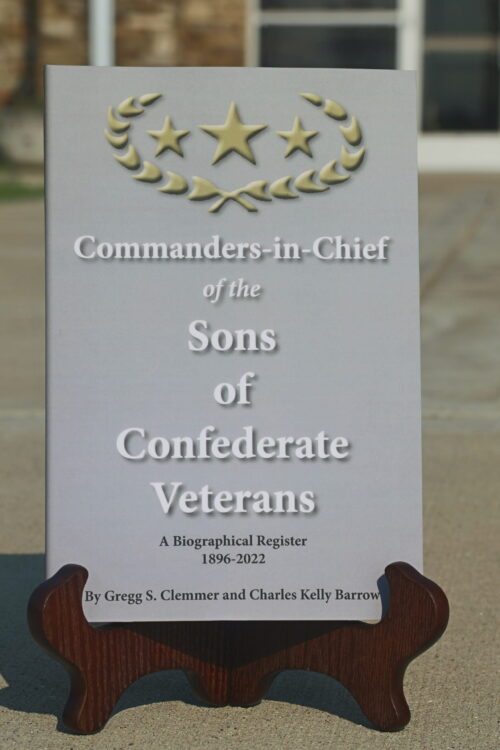
From J. E. B Stuart, Jr. elected in 1896 as the 1st Commander-in-Chief of the United Sons of Confederate Veterans to Larry Allen McCluney, Jr. elected in 2020 as the 76th Commander-in-Chief, this biographical register tells the story of their individual achievements that made the Sons of Confederate Veterans the foremost Confederate Heritage organization. These gentlemen led us through the past 125 years with honor, integrity, and resilience -paving the way for a new generation to thrive for many, many more! Every camp should own a copy for their records. Every member should read and learn of their leaders individual efforts to instill The Charge that defends Our Cause.
-
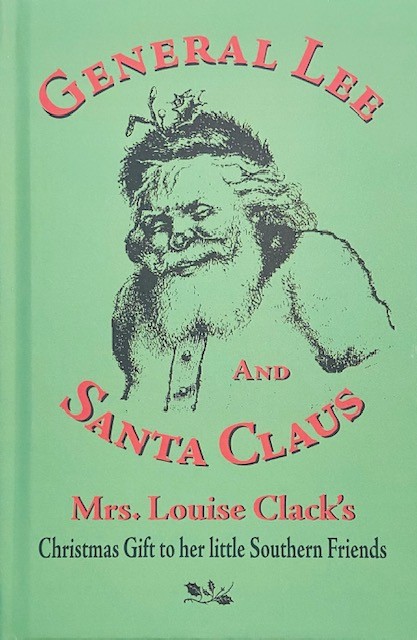
This delightful hardbound children's book was originally published in 1867, a scant two years after the end of the War for Southern Independence. This is the story of three young Southern girls trying to understand why Santa Claus didn't visit the little Southern children during the four Christmases of the War. With the help of their auntie, they ponder this question one afternoon and finally write a letter to General Robert E. Lee, knowing he would be able to answer their question. They decide to put his answer, along with their dreams and other stories, into a book and give it to Santa Claus, so he could sell it for the benefit of the little Confederate children who had lost everything by the War.
-
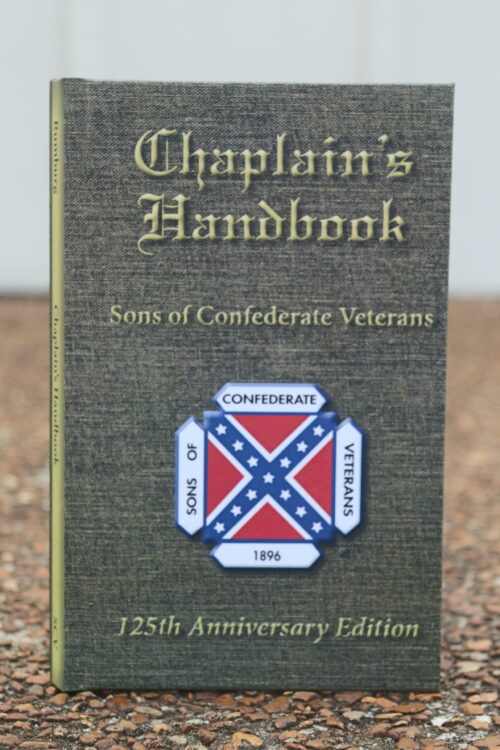
Chaplain's Handbook Enlarged Quasiquicentennial (1896-2021) Edition. Compiled and Edited by Dr. H. Rondel Rumburg ( Past Chaplain-in-Chief; Sons of Confederate Veterans)