-
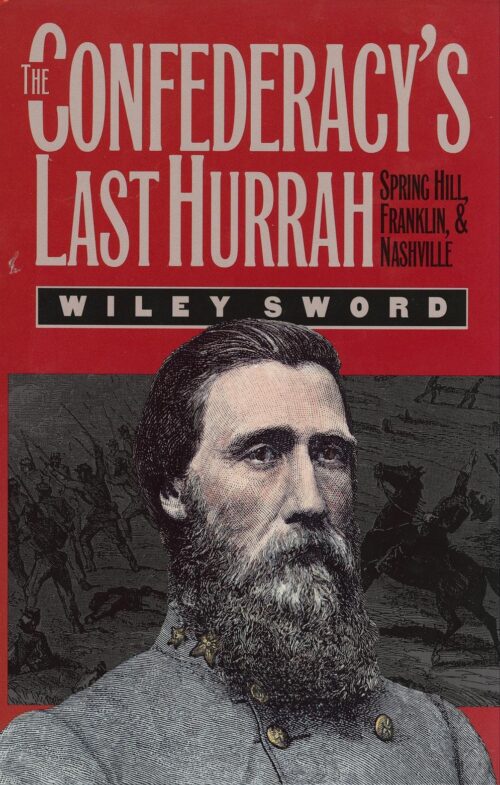 A compelling, dramatic account of the final and fatal invasion by the Army of Tennessee in 1864.
 -
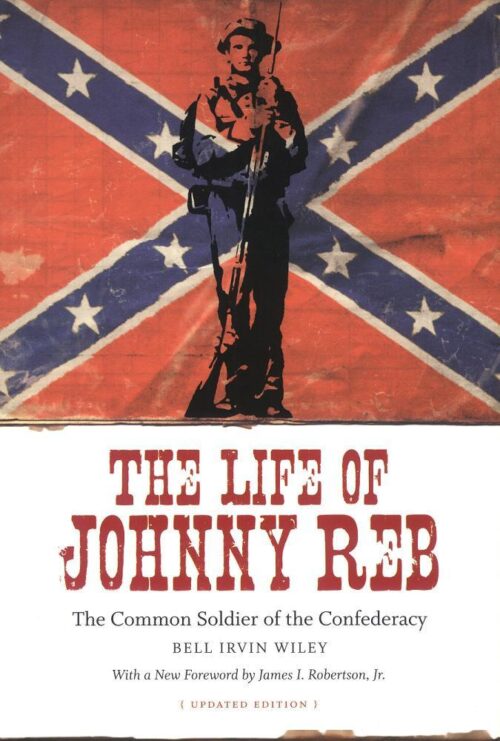 One of the best accounts of the ordinary citizen soldier who made up the Confederate Army.
 -
 The commander of the three-hundred-wagon Union supply train never expected a large ragtag group of Texans and Native Americans to attack during the dark of night. But Brigadier Generals Richard Gano and Stand Watie defeated the unsuspecting Federals in the early morning hours of September 19, 1864, at Cabin Creek in the Cherokee nation. The legendary Watie, the only Native American general on either side, planned details of the raid for months. His preparation paid off--the Confederate troops captured wagons with supplies that would be worth more than $75 million today.
 -
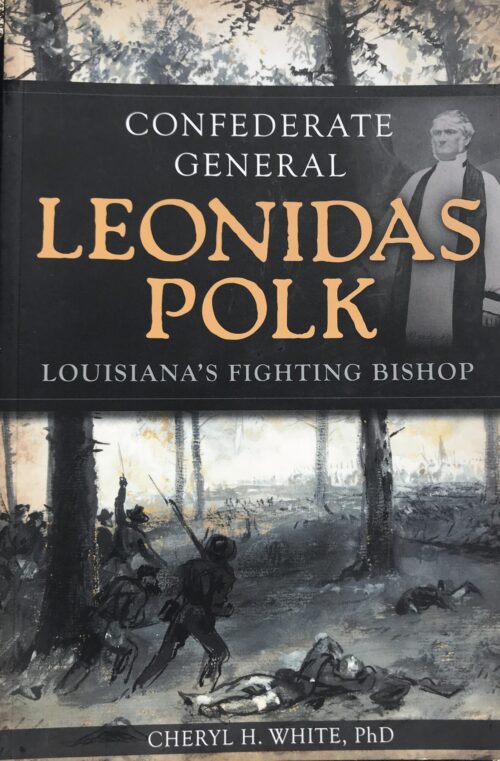 Leonidas Polk is one of the most fascinating figures of the Civil War. Consecrated as a bishop of the Episcopal Church and commissioned as a general into the Confederate army, Polk’s life in both spheres blended into a unique historical composite. Polk was a man with deep religious convictions but equally committed to the Confederate cause. He baptized soldiers on the eve of bloody battles, administered last rites and even presided over officers’ weddings, all while leading his soldiers into battle.
 -
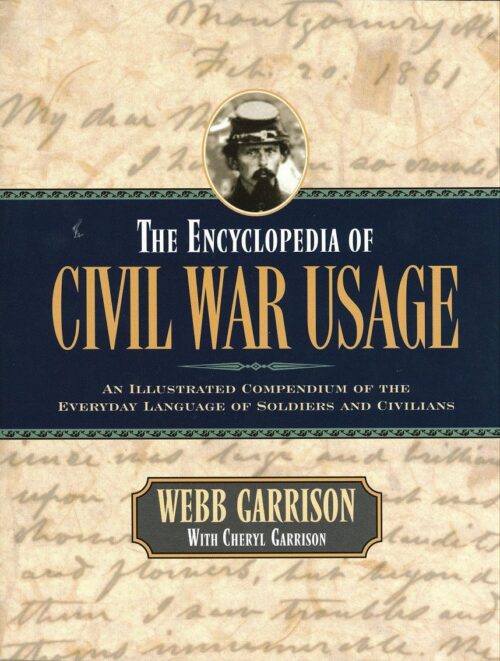 Gumps! Wharf Lice! Ditch Hunters! Though it’s reasonably clear that those terms are insults, few people today have any idea what they mean. Like much of the language used in the 1860’s, these expressions have vanished from everyday speech. This comprehensive volume will delight the historian, the writer, and the reenactor. Now in paperback.
 -
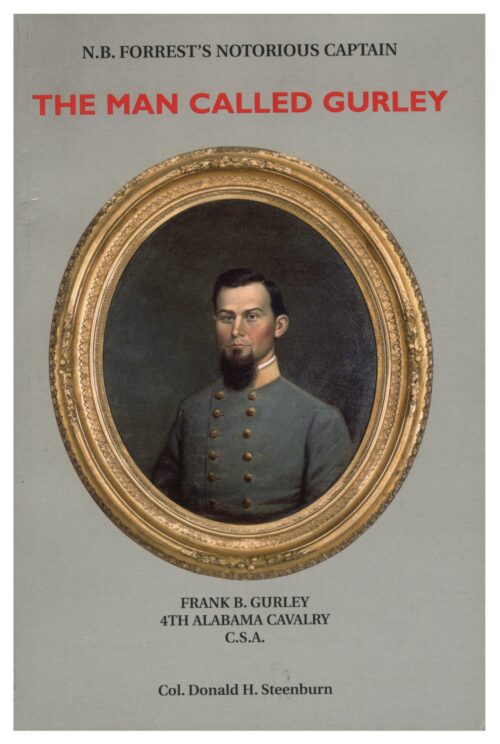 Hero? Traitor? It all depends on which side of the fence you were standing. Col. Don Steenburn, U.S.Army retired, has put together a fascinating study of one of the most controversial characters in Madison County and Northern Alabama history- determined and gutsy Frank Ballou Gurley of the 4th Alabama, Confederate States of America.
 -
 A reprint of the 1902 edition written by Capt. J. Harvey Mathes, C.S.A., one of 'The Great Commanders Series'. Covers the early life, career, and later life of Civil War General Nathan Bedford Forrest. Choose from hardback or paperback.
 -
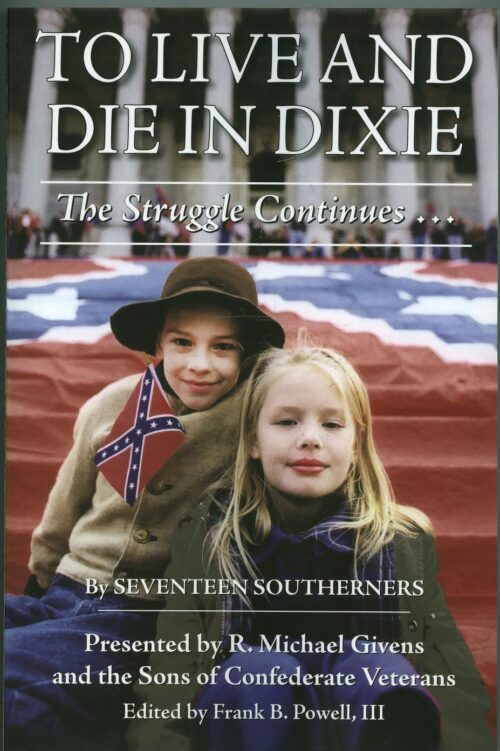 Companion book to the book "I'll Take My Stand: The South and the Agrarian Tradition" first published in 1930. In “To Live and Die in Dixie” you will find 27 essays which are designed to supply the weapons needed to take on the intellectually challenged and misinformed purveyors of modern historical imbecility. Intelligence is a weapon of self-defense. If you don’t know your own history then you will be helpless and ignorant before someone who merely claims to know your history! Originally published in the Confederate Veteran magazine from September/October 2010 through November/December 2014.
 -
 An important prison narrative, by a Northern soldier who was imprisoned at Andersonville. He contended that Major Wirz was unjustly lynched and states for the record that the Federal government was largely to blame for the conditions at Andersonville.
 -
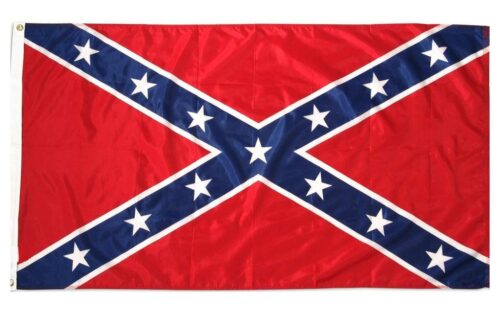 Army of Tennessee Battle Flag also referred to as the "Naval Jack". The SCV's flag design is unique in that it replicates the design of an original flag found in a museum. This is not a novelty flag, but a faithful recreation of an original in dimensions and design.
 -
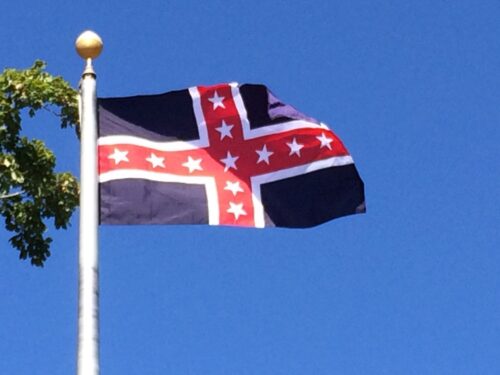 Polyester 3'X5'. General Leonidas Polk was the Episcopalian Bishop of Louisiana, a Confederate Lt. Gen. and Corps Commander in the Army of Tennessee. Killed during the Atlanta Campaign of 1864, the entire Army of Tennessee mourned his death. This distinctive design consisting of white and red Crosses of St. George on a royal blue flag was carried by the regiments in the Polk Corps.
 -
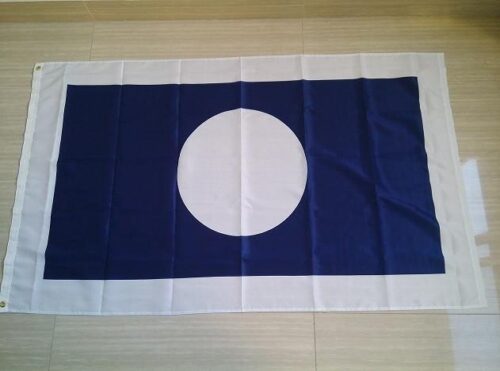 Polyester 3'X5'. General Hardee was a Corps Commander in the Army of Tennessee and this distinctive flag of royal blue with a heavy white border and circled orb was carried by the regiments of his Corps. Patrick Cleburne's men carried this banner into combat and he was killed under it at Franklin.
 -
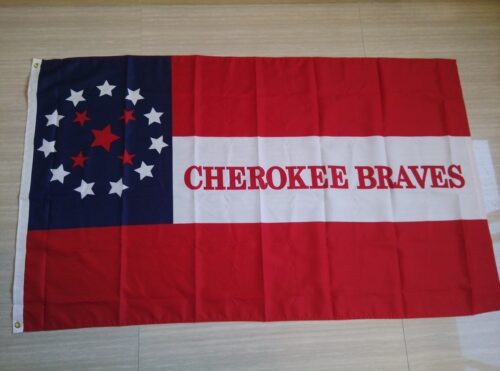 3' x 5' polyester. All 5 of the "Civilized Tribes" of the Native Americans fought for the Confederacy with Cherokee Chief Stand Watie serving as a Confederate general - reportedly the last Confederate general to lay down arms in 1865.
 -
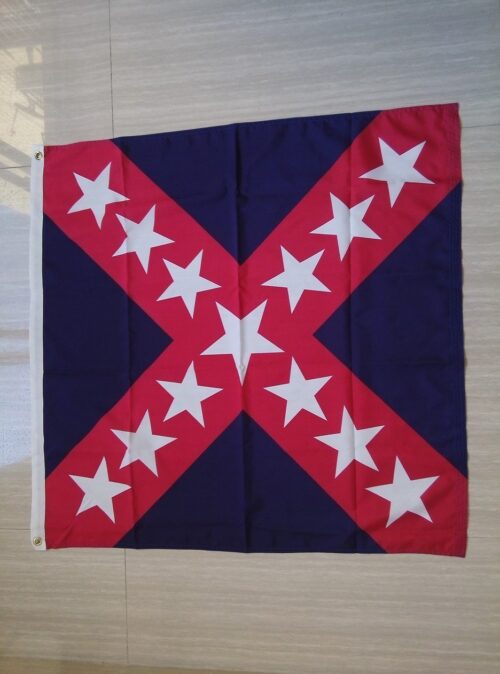 This polyester 3'X3' Taylor flag is based upon the flags our ancestors carried into battle in the Army of the Trans-Mississippi.
 -
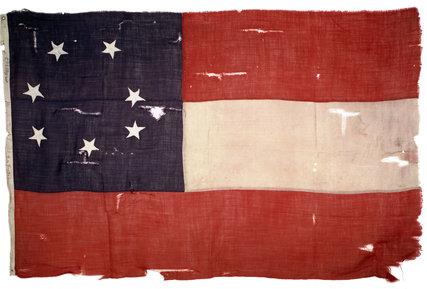 3'x5' polyester 1st National Flag originally adopted on March 4,1861 with 7 stars representing the original Confederate States. This is the "Stars and Bars" flag versus the "Stars and Stripes" flag of the United States.
 -
 3'x5' polyester 2nd National Flag originally adopted to replace the "Stars and Bars" on March 1, 1863. This was also reverently called the "Stainless Banner" as it is a large white flag with a Confederate Battle Flag in the canton.
 -
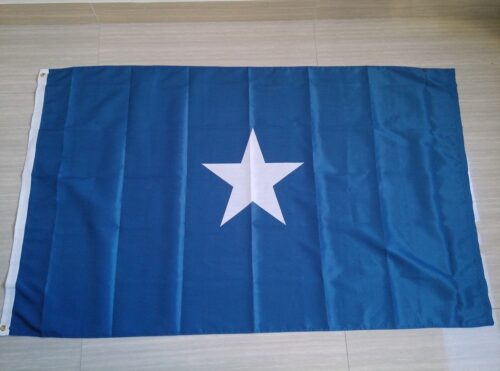 3'x5' polyester Bonnie Blue Flag - the first Confederate Flag, although not officially recognized by the Confederacy.
 -
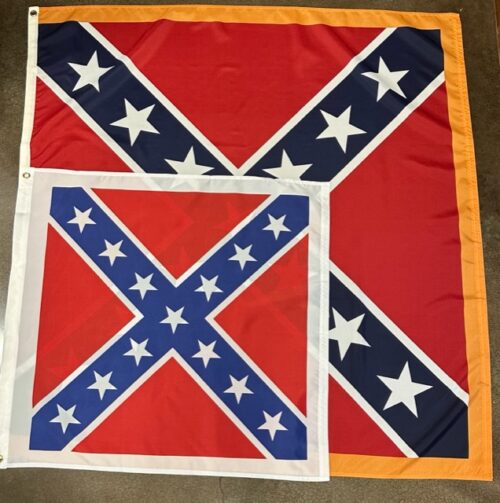 Battle flag of the Army of Northern Virginia. Comes in a 32" X 32" with white border or a 51" X 51" with orange border.
 -
 These high quality metal license plates are standard sized and will look good on any vehicle. Note: Occasionally these designs may vary somewhat.
 -
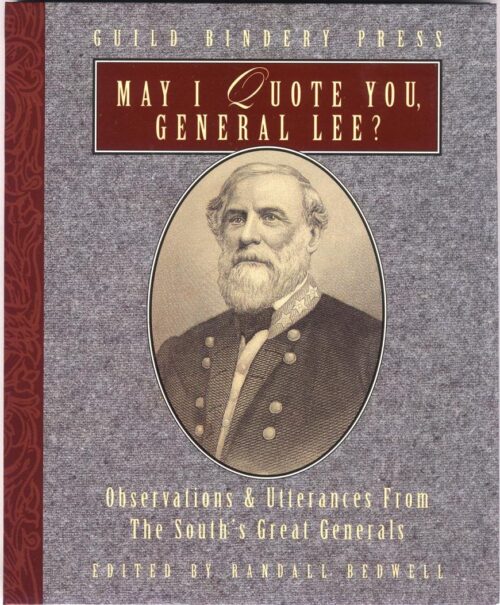 Vividly portrays the General in his own words and the words of those who knew him. Famous - and not so famous - quotes.
 -
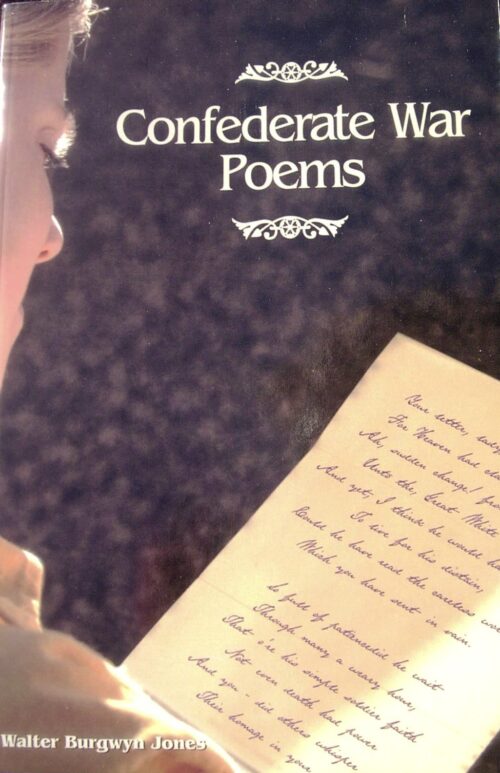 A collection of Confederate War Poems which, in the years long-gone, "spoke to the heart of the South," and which will endure forever in our minds.